


How to choose industrial IoT sensors
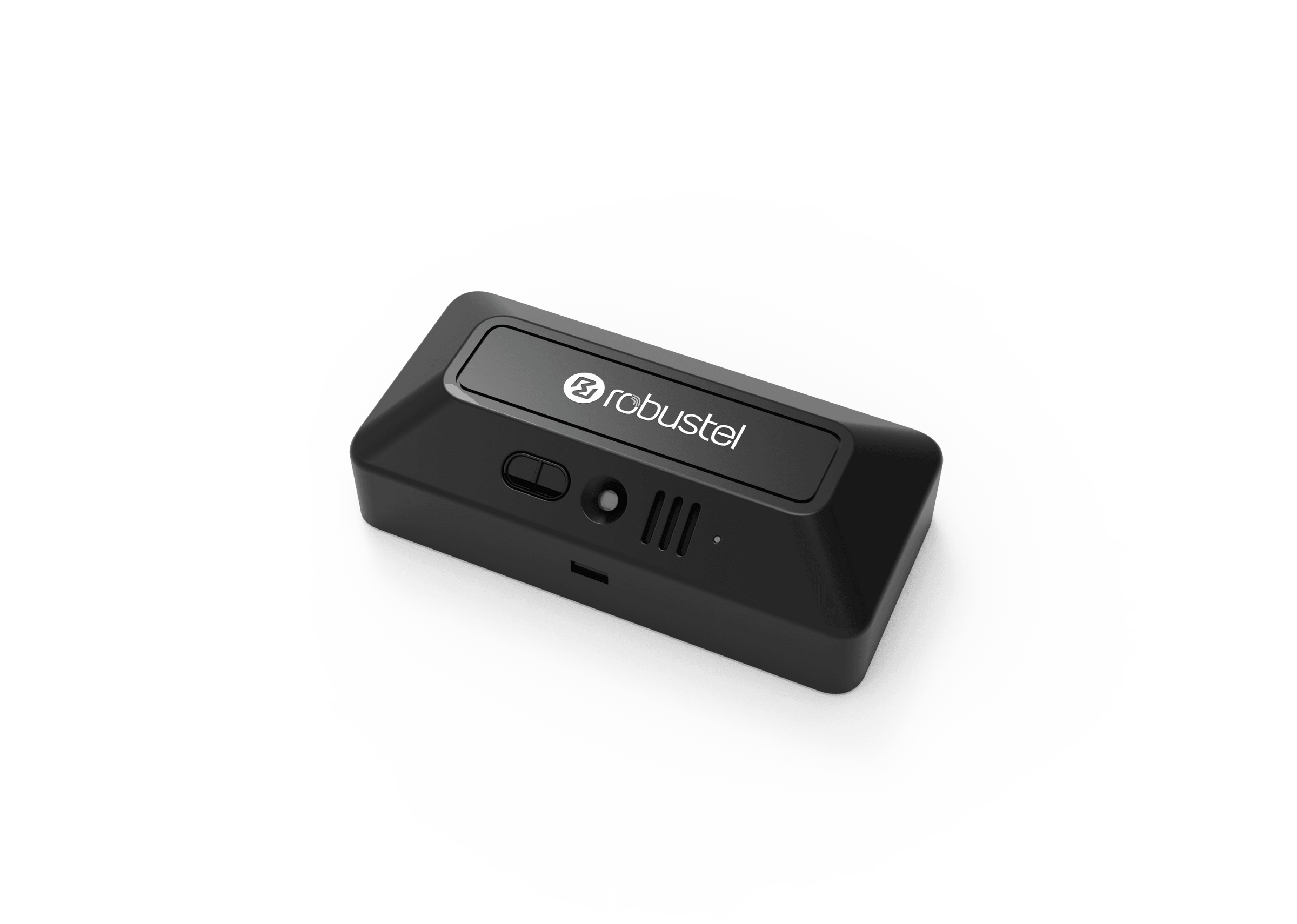
Choose industrial IoT sensors by matching the physical measurement, installation environment, data interval, and gateway path. Robustel sensor deployments are usually planned together with cellular routers, LoRaWAN gateways, or edge gateways so data can be collected and managed reliably.
More about Industrial IoT Sensors
Iot hardware Industrial IoT Sensors
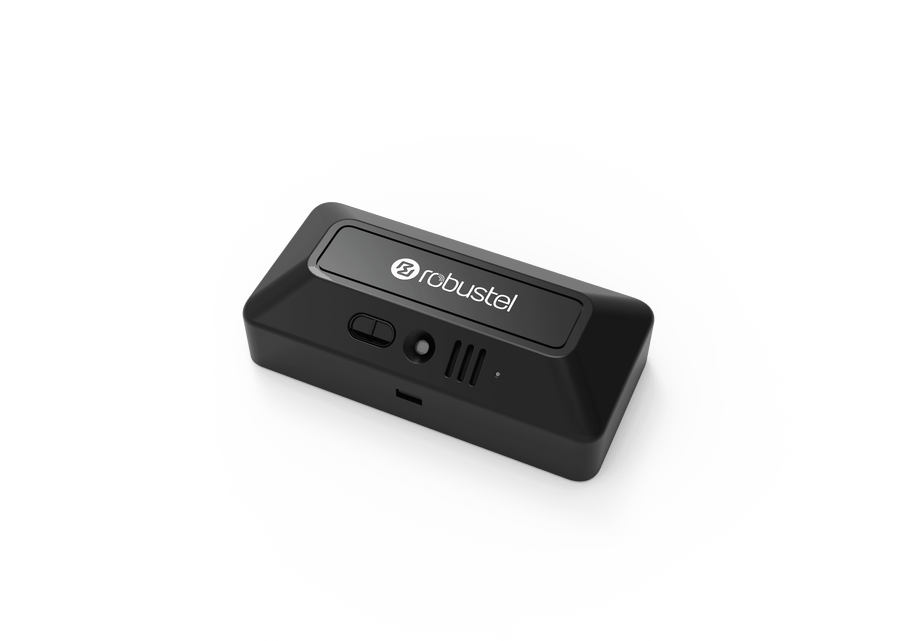
The Industrial IoT Sensors product line offers a range of compact, rugged sensors designed to capture critical environmental and operational data, featuring a choice of both wired (RS-485 Modbus) and wireless (LoRaWAN, BLE) interfaces for flexible integration into any industrial automation or IoT system.
Unleash Data Value: From Sensor Collection to Edge Intelligence
In the Industrial IoT (IIoT), Industrial IoT Sensors are the "nerve endings" that perceive the physical world. They are responsible for measuring critical parameters like temperature, humidity, pressure, and vibration. But merely collecting data is not enough—the true value of data is unlocked when it is used instantly and intelligently.
This is why Robustel's strategy tightly integrates our sensors with our IoT Edge Gateways.
Why is "Sensor + Edge Computing" a Superior Architecture?
The traditional model involves simply "forwarding" all sensor data through a basic gateway to the cloud for processing. This model suffers from high latency, high bandwidth costs, and an over-reliance on network connectivity.
The "Sensor + Edge" architecture championed by Robustel brings intelligence directly to the data source:
-
Data Acquisition (Sensors): Our industrial-grade sensors acquire raw data in harsh environments using low-power, high-reliability (IP67-rated) technology.
-
Local Processing (Edge Gateway): This data is then sent to a Robustel Edge Computing Gateway (like the EG series). Instead of just forwarding data, the gateway uses its powerful RobustOS Pro operating system (with support for Docker, Python, C++) to perform tasks on-site:
-
Real-Time Decisions: The gateway can run local logic, such as, "If Temperature Sensor A exceeds 80°C, immediately shut down PLC Relay B via Modbus."
-
Data Cleansing & Aggregation: The gateway can filter out invalid "noise" data locally, or aggregate 1,000 readings from one minute into a single "average value" before reporting it, dramatically reducing cloud and bandwidth costs.
-
Protocol Fusion: The edge gateway can simultaneously connect to industrial wireless sensors and wired sensors (e.g., Modbus/CAN bus), fusing their data into one unified model locally.
-
The Robustel End-to-End Advantage
When you choose Robustel Industrial IoT Sensors, you are not getting an isolated piece of hardware. You are getting a seamlessly integrated ecosystem:
-
The Intelligent "Data Feelers": Our sensors provide industrial-grade protection to ensure reliable data acquisition from the source.
-
The Powerful "Local Brain": Our edge gateways possess advanced data acquisition and edge computing capabilities, acting as intelligent data processors.
-
The Unified "Command Center": The entire "Sensor + Gateway" system, including the edge applications running on the gateway, can be remotely monitored, managed, and updated (OTA) via our RCMS (Robustel Cloud Manager Service) platform.
This "Device-Edge-Cloud" synergistic architecture provides you with an IIoT solution that is more responsive, more cost-effective, and more reliable.
Iot hardware Industrial IoT Sensor Applications
- Environmental Safety: Monitor temperature, pressure, and humidity in data centers, server rooms, and chemical facilities.
- Predictive Maintenance: Track machinery vibration and noise to detect anomalies and prevent downtime in manufacturing plants.
- Smart Logistics: Use ToF sensors for collision avoidance, object detection, and fill-level monitoring in automated warehouses.
- Energy Efficiency: Optimize HVAC and lighting systems in smart buildings with real-time temperature, humidity, and ambient light data.
Buying guide, questions, and resources
Best for
Best for environmental monitoring, facility telemetry, remote equipment status, smart building projects, and distributed industrial sites.
Key buying criteria
Compare measurement type, accuracy, power source, enclosure rating, connectivity path, sampling interval, gateway compatibility, installation distance, and how data will be monitored through RCMS or other platforms.
Recommended technical guides
Which Robustel products should I compare first?
Buyer questions
Which Industrial IoT Sensors should I compare first?
Start with the products listed in this collection, then compare network type, ports, operating environment, software features, and whether the project needs RCMS remote management.
What should I check before buying?
Review the deployment environment, regional cellular or LoRaWAN requirements, interface needs, power input, mounting method, VPN or protocol requirements, and the management workflow your team will use after installation.
Can these products support SCADA, PLC, or remote monitoring projects?
Many Robustel industrial gateways and routers are selected for SCADA, PLC connectivity, remote monitoring, and edge data collection. Confirm the exact interface, protocol, and bandwidth requirements against the product specifications before purchase.
When do I need RobustOS or RCMS?
RobustOS is useful when the deployment needs industrial networking features, security controls, and application logic. RCMS is useful when teams need centralized monitoring, configuration, and fleet management across many remote devices.
Where can I learn more before choosing?
Use the Industrial IoT Blog for buying guides and application context, compare all products for adjacent options, or contact Robustel with project requirements when a technical review is needed.